General contractors

When an owner doesn't pay, the GC gets hit twice: you're out the money, and your subs and suppliers still expect to be paid. LevelSet Collections files mechanic's liens and collects unpaid balances for general contractors on residential and commercial projects.
Send us the jobCall (469) 694-8003

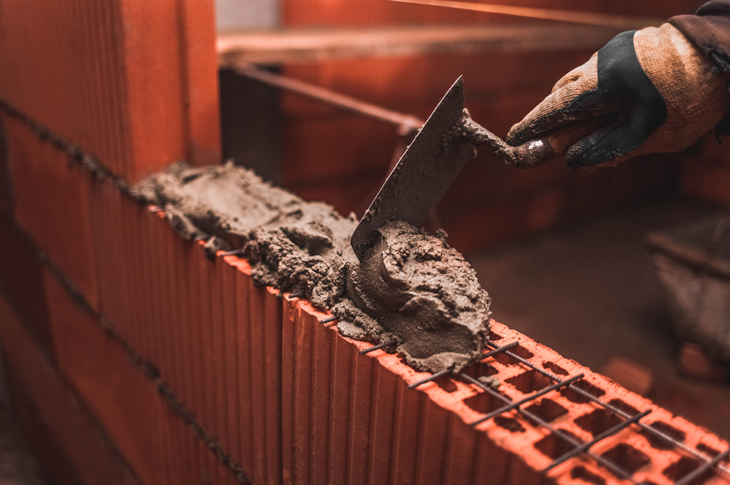
General contractor reviewing a project

When the owner stops paying

It usually starts small: a draw comes in late, then a change order gets disputed, then the final payment just doesn't show up. By the time it's clear the owner isn't paying, deadlines may already be running. As the original contractor, you typically have the strongest lien rights on the project, but only if you file on time and file correctly.

Homestead rules can make or break a residential lien

Liens on someone's primary home have extra requirements in many states. In Texas, for example, a lien on a homestead generally requires:

  • A written contract signed before work started
  • Signed by both spouses if the owner is married
  • Specific notice language on the lien itself

Miss one, and the lien can be invalid, no matter how much you're owed. We review your contract against the homestead rules before we file. If a lien won't hold up, we'll tell you, and collections may be the better path.

Lien vs. lawsuit: which one first?

Most GCs ask whether they should file a lien or just sue. Here's the plain version:

  • A lien secures your claim against the property. It's fast and inexpensive, and it often gets you paid without going to court, because the owner, the lender or a buyer needs the title cleared.
  • A lawsuit gets you a judgment against the person or company. It takes longer and costs more, and you still have to collect on the judgment afterward.
  • They're not either/or. A lien protects your position while you work it out. If the owner still won't pay, the lien has to be enforced through a lawsuit within your state's deadline, or it expires.

For a lot of GCs, the order is: lien to secure it, collections to pursue it, attorney only if it has to go to court. We're not a law firm, but when a claim needs one, we'll hand your attorney an organized file.

How we help general contractors

Mechanic's liens. Commercial, residential and homestead. $199–$500 per lien, including recording fees, notarizing and serving. Typical turnaround is 2 business days. See our lien filing process →

Collections. For owners who won't pay, developers with multiple open jobs, or balances past the lien deadline. 10%–33% contingency. No collection, no charge. See our collections process →

Lien releases. When you get paid, we file the release so the job is closed out cleanly.

FAQ

General contractor FAQs

How long do I have to file a lien as a GC?

It depends on the state and whether it's residential or commercial. The deadline is usually tied to when the work was completed or the contract ended. Some are only a few months. Send us the job as soon as payment is late.

Can I file a lien on a homestead?

Often, yes, but homestead liens have extra requirements, such as a written contract signed before work began. We check your paperwork before we file.

Should I lien even if I plan to sue?

In many cases, yes. The lien secures your claim against the property while the lawsuit works through the court. Talk to your attorney about the suit; we'll handle the lien.

My subs are threatening to lien. What do I do?

If the owner hasn't paid you, your best move is usually to protect your own lien rights first. We can file yours so you're not the only one left without security on the job.

Protect the job before the deadline passes

Call (469) 694-8003 (Mon–Fri, 8am–7pm). Tell us the owner, address, contract amount, what's unpaid and your last day of work.

Send us the job

Owed money on a job?

Call (469) 694-8003. Liens from $199, filed in about 2 business days. Collections on contingency, no collection, no charge.

Get In Touch